
Your Basket is Empty!
How to Make Your Car Tyres Last Longer: 12 Expert Tips
Your vehicle's tyres are one of its most important safety components, directly influencing braking performance, steering precision, fuel efficiency, ride comfort, and overall handling. Despite being engineered using advanced rubber compounds and reinforced construction, tyres are consumable items that gradually wear with every mile driven. However, premature tyre wear is often caused not by manufacturing defects, but by poor maintenance, incorrect inflation, aggressive driving, or neglected suspension and alignment issues.
Replacing tyres before they have reached their expected service life can become an unnecessary expense, particularly when high-quality premium tyres represent a significant investment. The good news is that with proper care and regular maintenance, motorists can significantly extend tyre life while maintaining optimum safety and performance.
At YE CORNER TYRES LTD, we regularly inspect tyres affected by uneven wear, incorrect inflation pressures, and suspension-related issues. This technical guide explains the key factors that influence tyre longevity and provides 12 expert tips to help you maximise the life of your tyres.
Why Do Car Tyres Wear?
Tyres wear because friction is constantly generated between the tread and the road surface. During acceleration, braking, cornering, and normal driving, microscopic amounts of rubber are gradually removed from the tread.
Several factors influence the rate of wear, including:
- Driving style
- Road surface conditions
- Tyre pressure
- Vehicle weight
- Wheel alignment
- Suspension condition
- Tyre compound
- Ambient temperature
Understanding these factors is the first step towards improving tyre lifespan.
1. Maintain the Correct Tyre Pressure
Incorrect tyre pressure is one of the leading causes of premature tyre wear.
Under-inflated tyres
Low tyre pressure causes excessive flexing of the sidewalls, resulting in:
- Increased rolling resistance
- Higher operating temperatures
- Shoulder wear
- Reduced fuel economy
- Greater risk of tyre failure
Over-inflated tyres
Excessive pressure causes:
- Centre tread wear
- Reduced grip
- Harsher ride quality
- Increased impact damage
Always check tyre pressures using the manufacturer's recommended values, ideally when the tyres are cold.
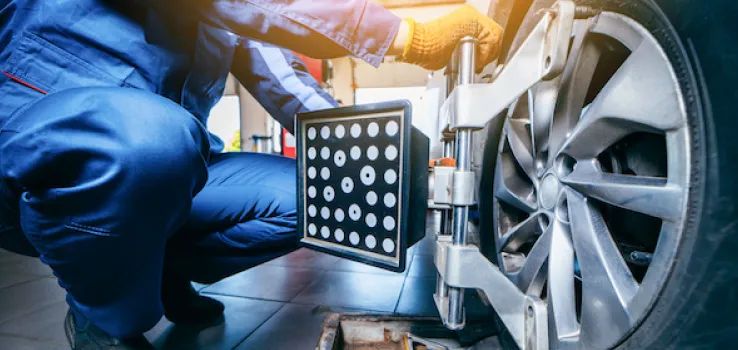
2. Check Wheel Alignment Regularly
Wheel alignment directly affects how evenly your tyres contact the road surface.
Incorrect toe, camber, or caster angles cause tyres to scrub across the road instead of rolling efficiently.
Common symptoms include:
- Inner shoulder wear
- Outer shoulder wear
- Feathering
- Vehicle pulling to one side
Professional wheel alignment should be checked:
- Every 10,000–12,000 miles
- After striking a pothole
- Following suspension repairs
- Whenever new tyres are fitted
Correct alignment can dramatically increase tyre lifespan.
3. Rotate Your Tyres at Regular Intervals
Front and rear tyres experience different loading forces.
Front tyres typically wear faster because they handle:
- Steering
- Braking
- Greater vehicle weight
- Front-wheel drive torque (where applicable)
Rotating tyres every 5,000–8,000 miles promotes even tread wear and maximises overall tyre life.
Always follow the manufacturer's recommended rotation pattern.
4. Drive Smoothly and Avoid Aggressive Acceleration
Driving style has a significant impact on tyre wear.
Rapid acceleration increases friction between the tyre and road surface, particularly on powerful vehicles.
Avoid:
- Hard launches
- Excessive wheelspin
- Sudden acceleration
Smooth throttle application reduces unnecessary tread wear.
5. Brake Progressively
Emergency braking rapidly removes tread material while generating excessive heat.
Although emergency braking cannot always be avoided, maintaining safe following distances allows smoother braking.
Progressive braking:
- Reduces tread wear
- Improves fuel economy
- Minimises brake component wear
- Enhances passenger comfort
6. Avoid Potholes and Kerb Impacts
Potholes can cause more than punctures.
Severe impacts may result in:
- Sidewall damage
- Internal cord separation
- Wheel damage
- Suspension misalignment
- Premature tyre wear
Similarly, repeatedly striking kerbs during parking can damage both the tyre sidewall and wheel alignment.
Whenever possible, avoid road hazards and reduce speed over poor road surfaces.
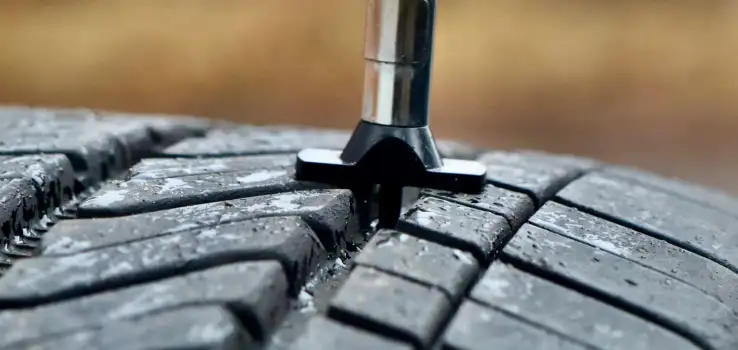
7. Inspect Your Tyres Frequently
Routine visual inspections help identify developing problems before they become expensive.
Check regularly for:
- Uneven tread wear
- Cuts
- Cracks
- Bulges
- Embedded objects
- Nail punctures
- Sidewall damage
Early detection often allows repairs before complete tyre replacement becomes necessary.
8. Balance Your Wheels
Wheel balancing ensures the tyre and wheel rotate evenly around the hub.
An unbalanced wheel causes:
- Steering vibration
- Uneven tread wear
- Suspension stress
- Reduced driving comfort
Professional balancing should be carried out:
- Whenever new tyres are fitted
- After puncture repairs
- If vibration develops
- Following wheel repairs
Balanced wheels improve tyre longevity and ride quality.
9. Do Not Overload Your Vehicle
Every tyre is designed to carry a specific maximum load.
Exceeding this load increases:
- Heat generation
- Sidewall flex
- Tread wear
- Risk of structural failure
Always ensure tyre load ratings match the manufacturer's specifications and avoid carrying unnecessary weight in the vehicle.
10. Replace Worn Suspension Components
Tyres rely on the suspension system to maintain even contact with the road.
Worn suspension components such as:
- Shock absorbers
- Coil springs
- Ball joints
- Control arm bushes
- Track rod ends
allow excessive wheel movement, accelerating tyre wear.
If your tyres show unusual wear patterns, suspension inspection should accompany tyre replacement.
11. Choose the Right Tyres for Your Driving Conditions
Not all tyres are engineered for the same purpose.
Selecting tyres suited to your driving style and annual mileage improves both performance and durability.
Consider:
- Premium vs budget tyres
- Summer tyres
- Winter tyres
- All-season tyres
- Load index
- Speed rating
Using tyres designed for your vehicle and driving environment promotes longer service life.
12. Have Your Tyres Professionally Inspected
Even experienced drivers cannot identify every tyre defect visually.
Professional tyre inspections evaluate:
- Tread depth
- Internal wear patterns
- Tyre pressures
- Valve condition
- Wheel alignment
- Wheel balancing
- Sidewall integrity
- Manufacturing defects
- Tyre age
Regular inspections help maximise safety while preventing unnecessary tyre replacement costs.
Understanding Tyre Age
Even tyres with sufficient tread eventually deteriorate due to environmental exposure.
Factors affecting tyre ageing include:
- UV radiation
- Heat cycles
- Moisture
- Ozone exposure
- Storage conditions
Most manufacturers recommend regular inspection of tyres over five years old, with careful consideration for replacement after around ten years, regardless of remaining tread depth.
Why Preventative Maintenance Saves Money
Tyres represent one of the highest ongoing maintenance costs for many motorists. Simple preventative measures such as maintaining correct tyre pressures, rotating tyres, checking wheel alignment, and addressing suspension issues early can extend tyre life by thousands of miles.
Longer-lasting tyres also provide:
- Improved fuel economy
- Better braking performance
- Reduced emissions
- Enhanced ride comfort
- Lower overall running costs
Investing in routine maintenance is considerably more economical than replacing prematurely worn tyres.
Final Thoughts
Your tyres are the only components of your vehicle that remain in continuous contact with the road, making their condition critical for safety, performance, and efficiency. While tyre wear is inevitable, premature wear is often preventable through correct tyre pressures, regular wheel alignment, tyre rotation, proper balancing, careful driving habits, and routine professional inspections. By following these expert maintenance practices, you can maximise tyre lifespan, improve fuel economy, and enjoy safer, more comfortable driving throughout the year.
At YE CORNER TYRES LTD, we offer comprehensive tyre inspections, new tyre fitting, puncture repairs, wheel balancing, and precision wheel alignment using professional equipment and manufacturer-approved procedures. Whether you need advice on extending tyre life or require expert tyre maintenance, our experienced team at 176 Rickmansworth Road, Watford WD18 7JS is committed to helping you get the best performance, safety, and value from every set of tyres. Contact us directly via phone at Call Us or email at [email protected] to book an appointment.
Recent Blogs