
Your Basket is Empty!
MOT Test Checklist: Common Reasons Vehicles Fail Their MOT in the UK
Every vehicle on UK roads must meet strict roadworthiness and environmental standards to ensure the safety of drivers, passengers, pedestrians, and other road users. The Ministry of Transport (MOT) test is an annual inspection designed to assess whether a vehicle complies with these legal standards. While many MOT failures are caused by relatively simple maintenance issues, others result from worn safety-critical components that can significantly increase the risk of accidents.
Understanding what is inspected during an MOT can help vehicle owners identify potential problems before the test, reduce repair costs, and improve overall vehicle safety. At YE CORNER TYRES LTD, we carry out professional Class 4, Class 5, and Class 7 MOT testing and frequently advise customers on the most common reasons vehicles fail.
This guide explains the key MOT inspection areas, why failures occur, and how regular maintenance can improve your chances of passing the test first time.
What Is an MOT Test?
An MOT test is a legally required annual inspection for most vehicles over three years old in the UK. It is designed to confirm that the vehicle meets the minimum legal standards for:
- Road safety
- Vehicle construction
- Environmental emissions
- Driver visibility
- Mechanical condition
It is important to understand that an MOT is not a replacement for routine servicing. A vehicle can pass its MOT while still requiring maintenance, just as a regularly serviced vehicle can fail its MOT if a safety-critical defect develops.
Why MOT Testing Is Important
Modern vehicles rely on numerous interconnected systems working together safely. Components such as brakes, tyres, suspension, lighting, steering, and emissions systems naturally wear over time.
The MOT ensures these systems continue operating within legal safety limits while helping to identify defects before they become dangerous.
Regular MOT inspections also help:
- Improve road safety
- Reduce breakdown risks
- Maintain legal compliance
- Protect vehicle resale value
- Identify costly repairs before they worsen
MOT Checklist: Common Reasons Vehicles Fail
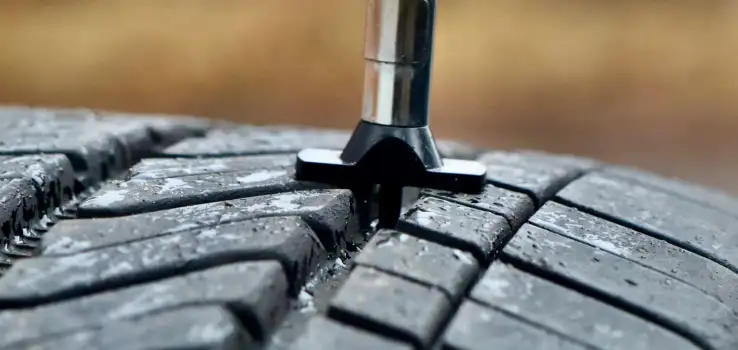
1. Tyres Below the Legal Tread Depth
Tyres remain one of the leading causes of MOT failures across the UK.
During the inspection, technicians check:
- Minimum tread depth
- Uneven wear
- Sidewall damage
- Cuts
- Bulges
- Exposed cords
- Correct tyre condition
UK law requires tyres to have at least 1.6 mm of tread depth across the central three-quarters of the tyre and around the entire circumference.
Even if tread depth remains legal, excessive damage or structural defects can still result in failure.
2. Brake System Defects
Brakes are among the most safety-critical components examined during an MOT.
Inspectors assess:
- Brake efficiency
- Brake balance
- Brake pedal operation
- Brake discs
- Brake pads
- Brake hoses
- Brake pipes
- Parking brake performance
Common failures include:
- Excessively worn brake pads
- Corroded brake discs
- Brake fluid leaks
- Sticking brake calipers
- Imbalanced braking force
- Damaged brake pipes
Regular brake inspections significantly reduce MOT failures.
3. Faulty Vehicle Lighting
Every exterior light must function correctly.
The MOT checks:
- Headlights
- Side lights
- Brake lights
- Rear lights
- Indicators
- Number plate lights
- Fog lamps
- Hazard warning lights
Failures often result from:
- Blown bulbs
- Water ingress
- Cracked lenses
- Incorrect beam alignment
- Electrical faults
Headlamp aim is particularly important, as incorrectly aligned headlights can dazzle other road users.
4. Suspension Wear
Modern suspension systems absorb road impacts while maintaining tyre contact with the road.
During the MOT, technicians inspect:
- Shock absorbers
- Coil springs
- Suspension arms
- Bushes
- Ball joints
- Mountings
Common failures include:
- Broken springs
- Oil leaking from dampers
- Excessive movement
- Worn bushes
- Damaged suspension components
Suspension wear often contributes to uneven tyre wear and poor handling.
5. Steering System Problems
Safe steering is essential for vehicle control.
Inspectors examine:
- Steering wheel condition
- Steering rack
- Track rod ends
- Steering joints
- Power steering system
Failures commonly include:
- Excessive steering play
- Damaged gaiters
- Worn joints
- Hydraulic leaks
- Electronic steering faults
Even minor steering defects can rapidly worsen if left unrepaired.
6. Windscreen, Wipers and Washer System
Driver visibility forms an essential part of MOT safety standards.
The inspection includes:
- Windscreen condition
- Windscreen wipers
- Washer jets
- Washer fluid supply
Typical failures include:
- Cracks within the driver's viewing area
- Torn wiper blades
- Blocked washer nozzles
- Empty washer reservoir
Poor visibility increases accident risk, particularly during adverse weather.
7. Emissions System Failure
Vehicle emissions are carefully measured to ensure compliance with environmental regulations.
Depending on vehicle age and fuel type, inspectors assess:
- Exhaust emissions
- Catalytic converter efficiency
- Diesel smoke opacity
- Engine management system
Common causes of failure include:
- Faulty oxygen sensors
- Catalytic converter damage
- Diesel particulate filter (DPF) issues
- Engine management faults
- Excessive exhaust smoke
Modern vehicles equipped with warning lights relating to emissions systems may automatically fail if the fault remains active.
8. Seat Belts and Occupant Safety Systems
Every fitted seat belt must operate correctly.
The MOT inspection checks:
- Belt security
- Locking mechanism
- Retractor function
- Webbing condition
- Seat mounting
Damaged, frayed or poorly functioning seat belts represent an immediate safety concern.
9. Registration Plates
Vehicle registration plates must remain:
- Securely attached
- Clearly visible
- Correctly spaced
- Easily readable
Cracked, faded or incorrectly displayed number plates may result in MOT failure.
10. Warning Lights on the Dashboard
Modern vehicles contain multiple electronic control systems.
Inspectors verify that mandatory warning lights operate correctly, including:
- ABS
- Airbag (SRS)
- Electronic Stability Control (ESC)
- Engine Management Light (where applicable)
If these systems indicate an active fault, the vehicle may fail its MOT.
How Regular Servicing Helps Prevent MOT Failure
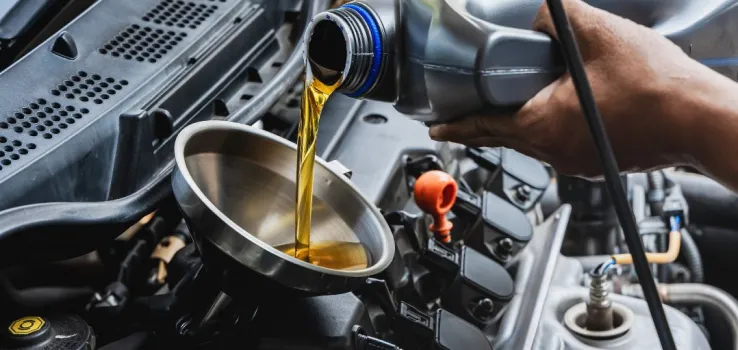
Routine servicing identifies developing faults long before they become MOT failures.
Professional servicing includes inspection of:
- Brake wear
- Tyre condition
- Suspension
- Steering
- Fluid levels
- Lighting
- Battery condition
- Filters
- Belts
Preventative maintenance often costs significantly less than repairing neglected defects.
Simple Checks Before Your MOT
Drivers can improve their chances of passing by carrying out a few basic checks before the test:
- Check all exterior lights are working.
- Ensure tyres have sufficient tread and no visible damage.
- Top up windscreen washer fluid.
- Inspect wiper blades for wear.
- Confirm the horn operates correctly.
- Remove any obstructions from the windscreen.
- Ensure registration plates are clean and legible.
- Check that seat belts fasten and retract properly.
These quick inspections can prevent avoidable failures.
Why Choose a Professional MOT Testing Centre?
A qualified MOT testing centre uses calibrated equipment and follows the latest DVSA (Driver and Vehicle Standards Agency) inspection standards. Professional technicians not only assess whether your vehicle meets legal requirements but can also identify developing issues that may affect reliability or safety in the future.
Combining your MOT with a routine service can further reduce the likelihood of unexpected repairs and help keep your vehicle in excellent mechanical condition throughout the year.
Final Thoughts
An MOT test is more than a legal requirement—it is a vital safety inspection that helps ensure your vehicle remains roadworthy and compliant with UK regulations. Many MOT failures are caused by worn tyres, brake defects, faulty lights, suspension wear, steering issues, or emissions-related problems, all of which can often be prevented through regular maintenance and timely repairs.
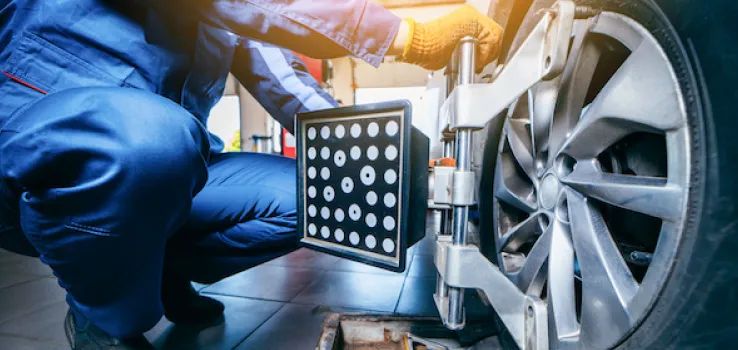
At YE CORNER TYRES LTD, we provide professional Class 4, Class 5, and Class 7 MOT testing from our garage at 176 Rickmansworth Road, Watford WD18 7JS. Our experienced technicians use modern diagnostic equipment to carry out thorough inspections, explain any defects clearly, and perform high-quality repairs where required. Whether your vehicle needs an MOT, servicing, brakes, tyres, wheel alignment, or general maintenance, our team is committed to helping you keep your vehicle safe, reliable, and fully compliant with UK road safety standards. Contact us by phone at Call Us or email at [email protected] to book your test or learn more about our services.
Recent Blogs