
Your Basket is Empty!
Clutch Replacement Guide: 10 Warning Signs Your Clutch Is Failing
The clutch is one of the hardest-working components in a manual transmission vehicle. Every time you change gear, move away from a standstill, or stop in traffic, the clutch is responsible for transferring engine torque to the gearbox while allowing smooth disengagement of power. Although designed to withstand thousands of gear changes, the clutch is a consumable mechanical assembly that gradually wears with normal use.
Unlike tyres or brake pads, clutch wear often develops gradually, making it easy for drivers to adapt to deteriorating performance without realising a problem exists. Ignoring the early warning signs can eventually lead to complete clutch failure, leaving the vehicle unable to move and potentially causing damage to the gearbox or flywheel.
At YE CORNER TYRES LTD, we diagnose and replace clutch systems using manufacturer-approved procedures and professional diagnostic equipment. In this guide, we'll explain how a clutch works, why it wears out, and the 10 most common warning signs that indicate your clutch may need replacing.
What Is a Clutch?
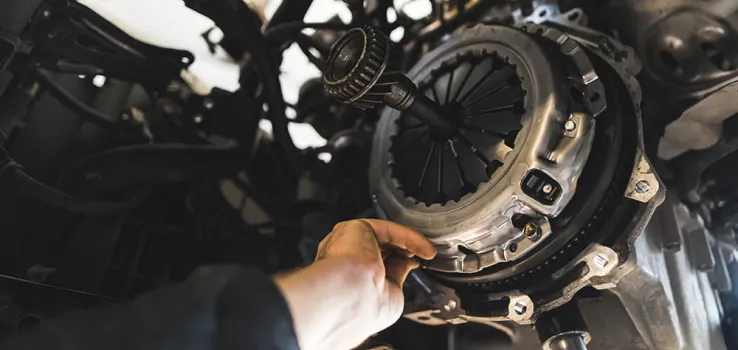
The clutch is a mechanical coupling device positioned between the engine and the gearbox. Its purpose is to temporarily disconnect engine power from the transmission, allowing the driver to change gears without damaging the gearbox.
A typical manual clutch assembly consists of:
- Clutch friction plate (clutch disc)
- Pressure plate
- Flywheel
- Release bearing (throw-out bearing)
- Clutch fork
- Hydraulic slave cylinder or clutch cable
- Pilot bearing (on certain vehicles)
When the clutch pedal is released, the pressure plate clamps the clutch disc tightly against the flywheel, transmitting engine torque to the gearbox. Pressing the clutch pedal disengages this connection, enabling smooth gear changes.
How Does a Clutch Work?
The clutch operates using friction. The clutch friction plate is coated with high-temperature friction material similar to that used in brake pads.
During engagement:
- The engine rotates the flywheel.
- The pressure plate presses the clutch disc against the flywheel.
- Friction transfers rotational force to the gearbox input shaft.
- Power is delivered to the drive wheels.
Every engagement creates heat and gradual wear. Over time, the friction material becomes thinner, reducing the clutch's ability to transmit engine torque efficiently.
What Causes Clutch Wear?
Although clutch wear is inevitable, several factors influence its lifespan:
- Frequent stop-start driving
- Riding the clutch pedal
- Aggressive acceleration
- Towing heavy loads
- Hill starts
- Poor driving technique
- High vehicle mileage
- Hydraulic system faults
Under normal driving conditions, a clutch may last anywhere between 60,000 and 100,000 miles, although some vehicles require replacement much sooner depending on usage.
10 Warning Signs Your Clutch Is Failing
1. Clutch Slipping
Clutch slipping is one of the most common symptoms of a worn clutch.
When accelerating, the engine speed increases rapidly, but the vehicle fails to gain speed proportionately.
This occurs because the worn friction material can no longer generate sufficient grip between the flywheel and pressure plate.
Typical symptoms include:
- High engine revs
- Slow acceleration
- Burning smell
- Reduced pulling power
Ignoring clutch slip accelerates wear and may damage the flywheel.
2. Difficulty Changing Gears
A healthy clutch should disengage smoothly, allowing effortless gear selection.
If the clutch fails to disengage completely, selecting gears becomes increasingly difficult.
Drivers may experience:
- Gear crunching
- Resistance when selecting first or reverse gear
- Stiff gear changes
- Missed shifts
This may indicate clutch wear or hydraulic system faults.
3. Clutch Pedal Feels Different
Changes in clutch pedal feel often indicate developing problems.
Symptoms include:
- Soft pedal
- Spongy pedal
- Excessively heavy pedal
- Pedal sticking
- Reduced pedal travel
These issues may result from worn clutch components or hydraulic failures.
4. Burning Smell
A worn clutch generates excessive heat due to increased friction.
The driver may notice a distinctive burning odour, particularly:
- During hill starts
- While towing
- In heavy traffic
- After aggressive acceleration
Persistent burning smells should always be investigated promptly.
5. Unusual Noises When Pressing the Clutch
Noises during clutch operation often indicate worn bearings.
Common sounds include:
- Whining
- Squealing
- Chirping
- Grinding
These noises frequently originate from:
- Release bearing
- Pilot bearing
- Pressure plate components
Early replacement helps prevent further damage.
6. Vehicle Vibrates During Pull Away
If the vehicle shudders while moving off from a standstill, the clutch may be engaging unevenly.
Possible causes include:
- Warped pressure plate
- Contaminated friction plate
- Worn flywheel
- Uneven clutch wear
Professional diagnosis identifies the underlying cause.
7. Poor Acceleration Under Load
When climbing hills or carrying passengers, worn clutches often struggle to transfer full engine power.
Drivers may notice:
- Engine revving without acceleration
- Difficulty maintaining speed
- Reduced towing performance
These symptoms usually indicate advanced clutch wear.
8. High Clutch Bite Point
As the clutch friction material wears thinner, the engagement point gradually moves higher.
If the clutch begins engaging near the top of pedal travel, replacement may soon be required.
This symptom often develops gradually over thousands of miles.
9. Hydraulic Fluid Leaks
Many modern clutch systems use hydraulic operation.
Leaks from the:
- Master cylinder
- Slave cylinder
- Hydraulic pipework
can prevent proper clutch disengagement.
Low hydraulic fluid levels may also introduce air into the system, causing inconsistent clutch operation.
10. Complete Clutch Failure
If ignored long enough, the clutch may eventually fail completely.
Symptoms include:
- Vehicle will not move
- Inability to select gears
- Clutch pedal falls to the floor
- Engine revs without transmitting power
At this stage, vehicle recovery is often required.
Components Commonly Replaced During Clutch Replacement
Professional clutch replacement normally includes more than just the clutch disc.
A complete clutch kit generally consists of:
- Clutch friction plate
- Pressure plate
- Release bearing
Many technicians also recommend inspecting or replacing:
- Flywheel
- Pilot bearing
- Slave cylinder
- Clutch fork
- Hydraulic components
Replacing worn associated components helps maximise the lifespan of the new clutch.
Why the Flywheel Is Important
The flywheel provides the friction surface against which the clutch operates.
Modern diesel and high-torque petrol vehicles frequently use Dual Mass Flywheels (DMF).
These contain internal springs that absorb drivetrain vibration.
If the flywheel becomes worn or damaged, installing a new clutch without addressing the flywheel may result in:
- Judder
- Premature clutch wear
- Increased vibration
- Noise
- Poor engagement
Professional inspection determines whether flywheel replacement is necessary.
Can a Worn Clutch Damage Other Components?
Yes.
Ignoring clutch problems can lead to damage affecting:
- Gearbox synchronisers
- Flywheel
- Starter motor ring gear
- Driveshafts
- Transmission bearings
Prompt diagnosis reduces repair costs and prevents secondary failures.
How Professional Technicians Diagnose Clutch Problems
Diagnosing clutch faults involves far more than a simple road test.
Technicians assess:
- Clutch engagement point
- Pedal operation
- Hydraulic pressure
- Gear selection
- Release bearing noise
- Flywheel condition
- Transmission operation
- Fluid leaks
On modern vehicles, diagnostic equipment may also identify faults within electronic clutch and transmission control systems.
Final Thoughts
The clutch is a precision-engineered component that plays a crucial role in delivering engine power smoothly and efficiently to the transmission. Because it is subject to constant friction and mechanical stress, gradual wear is inevitable. Recognising the early warning signs—such as clutch slipping, difficult gear changes, unusual noises, vibration, or a high bite point—allows problems to be addressed before they develop into costly gearbox or flywheel repairs.
At YE CORNER TYRES LTD, we provide expert clutch inspections, diagnostics, and clutch replacement services using high-quality replacement components and manufacturer-approved repair procedures. Our experienced technicians carefully assess the entire clutch system, including the flywheel and hydraulic components, to ensure long-lasting reliability and smooth performance. Visit us at 176 Rickmansworth Road, Watford WD18 7JS, or get in touch directly via phone at Call Us or email at [email protected] to book an appointment with our team.
Recent Blogs