
Your Basket is Empty!
When Should You Replace Your Brake Pads and Brake Discs?
Your vehicle's braking system is one of the most sophisticated safety systems ever developed for modern road vehicles. Every time you press the brake pedal, a complex hydraulic system converts your foot pressure into controlled friction that safely slows or stops the vehicle. At the heart of this system are the brake pads and brake discs (rotors), two components that are designed to wear over time as part of normal operation.
Unlike many mechanical parts, brake pads and discs are classified as consumable components. Their gradual wear is expected, but delaying replacement beyond their service limits can significantly reduce braking efficiency, increase stopping distances, damage other braking components, and compromise vehicle safety.
At YE CORNER TYRES LTD, we regularly inspect braking systems using professional diagnostic equipment and manufacturer specifications. Understanding when brake pads and brake discs should be replaced helps drivers maintain optimum braking performance while avoiding unnecessary repair costs.
Understanding How Disc Brakes Work
Most modern passenger vehicles use hydraulic disc braking systems on the front axle, while many newer vehicles also use disc brakes on the rear.
The braking system consists of several key components:
- Brake pedal
- Brake master cylinder
- Brake fluid
- Brake lines
- Brake calipers
- Brake pads
- Brake discs
- ABS and Electronic Brake Control Systems
When the driver presses the brake pedal, hydraulic pressure forces the caliper pistons outward, clamping the brake pads against both sides of the rotating brake disc.
The friction generated converts the vehicle's kinetic energy into heat, allowing the vehicle to decelerate safely.
Under heavy braking, brake disc temperatures can exceed 500°C, which explains why these components naturally wear over time.
What Are Brake Pads?
Brake pads are friction materials mounted inside the brake caliper.
Modern brake pads consist of multiple engineered layers:
- Steel backing plate
- Bonding adhesive
- Friction material
- Noise dampening shim
- Wear indicator (on many vehicles)
The friction compound is specifically designed to provide:
- High braking efficiency
- Heat resistance
- Low noise
- Reduced brake fade
- Consistent stopping performance
As the pads repeatedly contact the rotating brake disc, the friction material gradually wears away.
What Are Brake Discs?
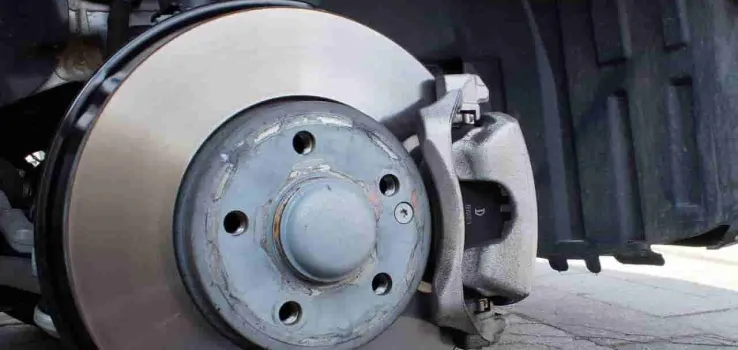
Brake discs (also known as rotors) are precision-machined steel components attached directly to the wheel hub.
Their primary functions include:
- Providing a friction surface
- Dissipating heat
- Maintaining braking stability
- Supporting consistent braking under varying loads
Many modern vehicles use ventilated brake discs, where internal cooling vanes improve airflow and reduce operating temperatures during repeated braking.
Performance vehicles may also feature:
- Cross-drilled discs
- Slotted discs
- High-carbon discs
- Composite brake discs
Each design improves cooling efficiency and braking consistency under demanding conditions.
When Should Brake Pads Be Replaced?
Brake pad lifespan varies considerably depending on:
- Driving style
- Vehicle weight
- Traffic conditions
- Road environment
- Brake material
- Vehicle usage
Under normal UK driving conditions, brake pads generally last between 20,000 and 40,000 miles.
However, drivers who frequently encounter heavy traffic, steep hills, or stop-start urban driving may require replacement much sooner.
Brake pads should be replaced immediately if:
- Friction material reaches the manufacturer's minimum thickness.
- Wear indicators activate.
- Pads become contaminated with oil or brake fluid.
- Cracks or separation develop.
- Uneven wear is identified.
When Should Brake Discs Be Replaced?
Brake discs typically last significantly longer than brake pads, often between 50,000 and 80,000 miles, although this varies depending on vehicle usage.
Unlike brake pads, brake discs are measured against a minimum safe thickness specified by the vehicle manufacturer.
Brake discs should be replaced when:
- Thickness falls below specification.
- Excessive scoring develops.
- Cracks appear.
- Disc warping occurs.
- Severe corrosion affects the braking surface.
- Heat damage becomes visible.
Professional technicians use digital micrometers to measure disc thickness accurately during servicing.
7 Technical Signs Your Brake Pads or Discs Need Replacing
1. Squealing or Screeching Noises
Many brake pads include metal wear indicators.
When friction material becomes excessively thin, the indicator contacts the brake disc, producing a high-pitched squeal.
This warning should never be ignored.
2. Grinding Sounds During Braking
Grinding usually indicates the friction material has completely worn away.
Metal-to-metal contact between the backing plate and brake disc rapidly damages the disc surface and significantly reduces braking performance.
Immediate inspection is essential.
3. Increased Braking Distance
If the vehicle takes longer to stop than usual, worn braking components may be reducing friction efficiency.
Longer stopping distances become particularly noticeable during emergency braking or wet weather.
4. Steering Wheel Vibration While Braking
Brake pedal pulsation or steering wheel vibration often indicates brake disc thickness variation or disc warping caused by repeated heat cycling.
Professional inspection determines whether replacement is required.
5. Brake Warning Light
Many modern vehicles use electronic brake wear sensors.
When brake pad thickness reaches a predetermined limit, the dashboard warning light illuminates.
Ignoring this warning can result in more expensive brake repairs.
6. Visible Brake Pad Wear
A visual inspection through the wheel spokes often reveals remaining brake pad thickness.
If very little friction material remains, replacement should be arranged promptly.
7. Deep Grooves on Brake Discs
Brake discs should have a smooth braking surface.
Deep grooves, scoring or heavy corrosion reduce braking efficiency and accelerate brake pad wear.
Severely damaged discs should always be replaced rather than reused.
Why Brake Pads and Brake Discs Should Often Be Replaced Together
Although brake pads wear faster, replacing pads alone on heavily worn discs may reduce braking efficiency.
New brake pads require a smooth, even braking surface to bed in correctly.
Installing new pads onto worn discs can result in:
- Reduced braking performance
- Uneven pad wear
- Increased noise
- Brake vibration
- Reduced component lifespan
For this reason, technicians frequently recommend replacing both components simultaneously when disc wear approaches service limits.
Factors That Accelerate Brake Wear
Several driving conditions increase brake wear.
These include:
- Frequent stop-start traffic
- Heavy vehicle loads
- Mountain driving
- Aggressive braking
- Towing trailers
- Poor driving habits
Vehicles used primarily for motorway driving generally experience significantly slower brake wear than those operating in urban environments.
Why Professional Brake Inspections Matter
Modern braking systems incorporate sophisticated technologies including:
- Anti-lock Braking Systems (ABS)
- Electronic Brakeforce Distribution (EBD)
- Electronic Stability Control (ESC)
- Brake Assist Systems
- Emergency Autonomous Braking
Professional brake inspections evaluate far more than simply pad thickness.
Technicians inspect:
- Brake pad condition
- Disc thickness
- Disc runout
- Brake fluid quality
- Hydraulic leaks
- Caliper operation
- Brake hoses
- ABS components
- Parking brake operation
Comprehensive inspections ensure the entire braking system continues operating safely.
Can Worn Brakes Cause an MOT Failure?
Yes. The braking system is one of the most important elements assessed during an MOT test.
A vehicle may fail if inspectors identify:
- Excessively worn brake pads
- Brake discs below minimum thickness
- Brake imbalance
- Hydraulic leaks
- Damaged brake pipes
- Inefficient parking brake
- Seized brake components
Routine brake maintenance significantly reduces the risk of MOT failure.
Final Thoughts
Brake pads and brake discs are fundamental to your vehicle's safety, and delaying their replacement can compromise braking performance, increase stopping distances, and lead to more expensive repairs. Regular inspections allow worn components to be identified before they become a serious safety risk, ensuring your braking system continues to perform as the manufacturer intended.
At YE CORNER TYRES LTD, we provide professional brake inspections, brake pad replacement, brake disc replacement, and complete braking system diagnostics using high-quality components and manufacturer-approved procedures. From our garage at 176 Rickmansworth Road, Watford WD18 7JS, our experienced technicians are committed to keeping your vehicle safe, reliable, and performing at its best, giving you complete confidence every time you press the brake pedal. Get in touch with us by phone at Call Us or email at [email protected] to discuss your brake maintenance needs or book an inspection.
Recent Blogs