
Your Basket is Empty!
How to Choose the Right Tyres for Your Vehicle in the UK
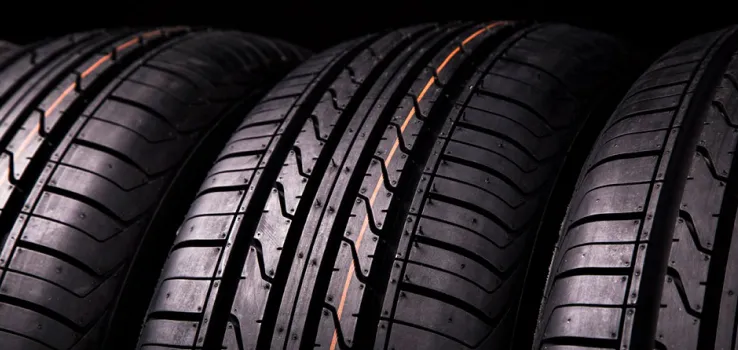
Your tyres are the only components of your vehicle that maintain continuous contact with the road surface. Regardless of how advanced your braking system, suspension, or engine may be, your vehicle's overall safety, handling, braking performance, fuel efficiency, and ride comfort ultimately depend on four relatively small contact patches between the tyres and the road.
Choosing the correct tyres is therefore far more than simply selecting the cheapest option or replacing like-for-like. Modern tyres are highly engineered products, developed using advanced rubber compounds, reinforced carcass construction, silica technology, asymmetric tread designs, and sophisticated water evacuation systems. Selecting the wrong tyre can reduce grip, increase fuel consumption, shorten tyre life, and even invalidate your insurance if the tyres do not meet legal requirements.
At YE CORNER TYRES LTD, we help customers choose tyres that match their vehicle, driving style, annual mileage, and the demanding weather conditions experienced across the UK. This guide explains the key technical factors you should consider before purchasing your next set of tyres.
Why Choosing the Correct Tyres Matters
Tyres influence almost every aspect of vehicle performance, including:
- Braking distance
- Steering response
- Cornering stability
- Wet-weather grip
- Fuel economy
- Road noise
- Ride comfort
- Suspension performance
- Aquaplaning resistance
Even the most advanced driver assistance systems, such as ABS, Electronic Stability Control (ESC), and Traction Control, rely on tyres maintaining adequate grip with the road surface.
Step 1: Understand Your Tyre Size
The first and most important step is identifying the correct tyre size specified by the vehicle manufacturer.
A typical tyre marking may look like:
205/55 R16 91V
Each section has a specific meaning.
Tyre Width
205
This indicates the tyre width in millimetres from sidewall to sidewall.
A wider tyre generally provides:
- Greater grip
- Improved cornering stability
- Larger contact patch
However, wider tyres may also increase rolling resistance and reduce fuel efficiency.
Aspect Ratio
55
This represents the height of the sidewall as a percentage of the tyre width.
In this example:
55% of 205 mm.
Lower-profile tyres generally offer:
- Sharper steering response
- Better handling
- Improved stability
Higher-profile tyres usually provide:
- Better ride comfort
- Increased impact absorption
- Reduced wheel damage risk
Construction Type
R
The "R" indicates Radial Construction.
Almost every modern passenger vehicle uses radial tyres because they provide:
- Better durability
- Improved fuel efficiency
- Reduced rolling resistance
- Longer tread life
Wheel Diameter
16
This indicates the wheel diameter in inches.
The tyre must exactly match the wheel diameter.
Load Index
91
The load index specifies the maximum weight each tyre can safely support.
Choosing a tyre with a lower load rating than specified by the manufacturer is unsafe and may be illegal.
Speed Rating
V
The speed rating represents the maximum certified operating speed.
Common ratings include:
- T – 118 mph
- H – 130 mph
- V – 149 mph
- W – 168 mph
- Y – 186 mph
Always choose tyres with a speed rating that meets or exceeds the manufacturer's recommendation.
Step 2: Choose the Right Tyre Type
Modern tyres are designed for different operating conditions.
Summer Tyres
Summer tyres perform best when temperatures remain above 7°C.
Advantages include:
- Excellent dry grip
- Strong wet braking
- Lower rolling resistance
- Improved fuel economy
Ideal for most UK drivers during spring, summer, and early autumn.
Winter Tyres
Winter tyres use softer rubber compounds that remain flexible in cold temperatures.
Benefits include:
- Better snow traction
- Improved ice performance
- Enhanced cold-weather braking
- Greater grip below 7°C
Although UK winters are generally mild, winter tyres can significantly improve safety in colder regions.
All-Season Tyres
All-season tyres combine characteristics of both summer and winter designs.
They provide:
- Year-round usability
- Good wet-weather performance
- Improved cold-weather capability
- Reduced seasonal tyre changes
For many UK motorists, all-season tyres offer an excellent balance of performance and convenience.
Step 3: Understand Tyre Tread Patterns
Modern tread designs are carefully engineered.
Symmetrical Tread
Features:
- Quiet operation
- Long tread life
- Lower cost
Often used on smaller passenger vehicles.
Asymmetrical Tread
Different tread zones perform different functions.
Advantages include:
- Improved cornering
- Better wet grip
- Enhanced braking
- Reduced road noise
Common on modern family and performance vehicles.
Directional Tread
Designed to rotate in one direction only.
Benefits include:
- Superior water evacuation
- Reduced aquaplaning
- Better wet-weather stability
Correct installation is essential.
Step 4: Consider Your Driving Style
Your driving habits should influence tyre selection.
Mainly Motorway Driving
Prioritise:
- Low rolling resistance
- High-speed stability
- Reduced road noise
- Long tread life
Urban Driving
Choose tyres offering:
- Good braking performance
- Strong durability
- Puncture resistance
- Comfortable ride quality
Performance Driving
Look for:
- High grip levels
- Reinforced sidewalls
- Excellent cornering stability
- High-speed capability
Step 5: Understand the EU Tyre Label
All tyres sold in the UK include a tyre label providing important performance information.
The label includes:
Fuel Efficiency
Rated from A to E.
Lower rolling resistance improves fuel economy.
Wet Grip
One of the most important safety ratings.
Better wet grip significantly reduces stopping distances on wet roads.
External Noise
Measured in decibels (dB).
Lower values improve driving comfort and reduce environmental noise.
Step 6: Premium vs Mid-Range vs Budget Tyres
Premium Tyres
Manufactured by companies investing heavily in research and development.
Advantages:
- Superior grip
- Longer lifespan
- Better wet braking
- Lower noise
- Improved fuel economy
Mid-Range Tyres
Provide an excellent compromise between price and performance.
Suitable for many everyday drivers.
Budget Tyres
Lower purchase price but often involve compromises in:
- Wet grip
- Longevity
- Road noise
- Fuel efficiency
The cheapest tyre is not always the most economical over its lifetime.
Step 7: Check Tyre Age
Even unused tyres deteriorate over time.
Rubber naturally ages due to:
- UV exposure
- Oxygen
- Heat
- Moisture
When purchasing replacement tyres, check the DOT manufacturing code, which indicates the week and year of production.
Newer tyres generally provide the best long-term performance.
Step 8: Replace Tyres in Pairs
Whenever possible, replace tyres in pairs across the same axle.
This ensures:
- Balanced handling
- Predictable braking
- Consistent grip
- Improved stability
Mixing different tread patterns or performance levels can negatively affect vehicle handling.
Professional Tyre Fitting Matters
Even the highest-quality tyres will not perform correctly if they are fitted incorrectly.
Professional tyre fitting should always include:
- Valve replacement
- Accurate inflation
- Electronic wheel balancing
- Correct torque tightening
- TPMS inspection (where fitted)
- Final safety inspection
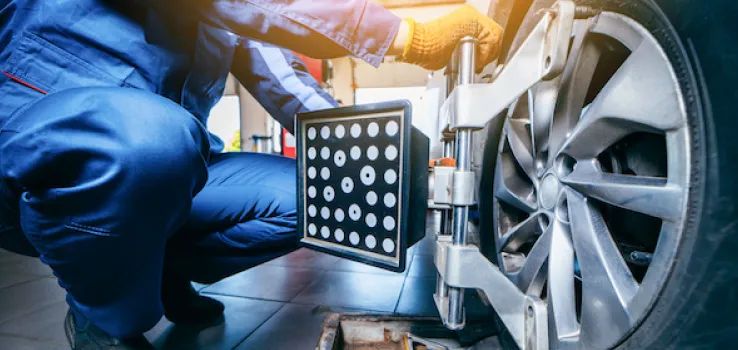
If uneven tyre wear is present, a wheel alignment check should also be carried out to protect the new tyres from premature wear.
Final Thoughts
Choosing the right tyres is about much more than matching the size printed on the sidewall. Factors such as tyre type, tread pattern, load index, speed rating, seasonal performance, driving habits, and overall build quality all play an important role in ensuring your vehicle performs safely and efficiently. Investing in tyres that suit your vehicle and maintaining them correctly will improve braking performance, fuel economy, handling, and long-term reliability.
At YE CORNER TYRES LTD, we stock a wide range of premium, mid-range, and budget tyres from leading manufacturers to suit every vehicle and budget. Our experienced technicians provide expert advice, professional tyre fitting, wheel balancing, TPMS servicing, and wheel alignment to ensure your new tyres deliver maximum performance and longevity. Visit us at 176 Rickmansworth Road, Watford WD18 7JS, or contact us directly via phone at Call Us or email at [email protected] where our team is committed to helping you choose the perfect tyres for safe, comfortable, and confident driving throughout the UK.
Recent Blogs