
Your Basket is Empty!
Timing Belt Replacement: When Should It Be Changed and Why Is It Important?
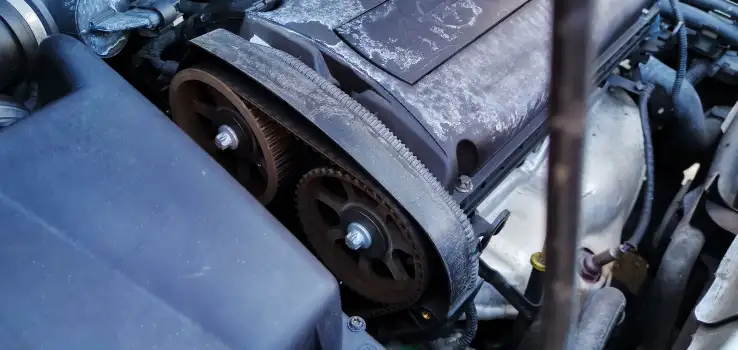
The timing belt is one of the most critical components in an internal combustion engine. Although it is hidden behind protective covers and often overlooked during routine maintenance, it plays a fundamental role in synchronising the engine's internal moving parts. A worn or failed timing belt can result in catastrophic engine damage, often requiring a complete engine rebuild or replacement.
Unlike engine oil or brake pads, a timing belt rarely provides obvious warning signs before failure. This is why manufacturers specify strict replacement intervals based on mileage and age rather than waiting for symptoms to appear.
At YE CORNER TYRES LTD, we regularly replace timing belts using manufacturer-approved procedures, specialist locking tools, and high-quality replacement components. Understanding how the timing belt works and knowing when it should be replaced can save motorists thousands of pounds in unnecessary engine repairs.
What Is a Timing Belt?
A timing belt, sometimes referred to as a cambelt, is a reinforced toothed belt that connects the crankshaft to the camshaft(s) within the engine.
Its primary function is to synchronise the rotation of these components so that:
- The intake valves open at precisely the correct time.
- The exhaust valves close at the correct moment.
- The pistons move in perfect coordination with valve operation.
- Combustion occurs efficiently.
Unlike auxiliary drive belts, the timing belt is responsible for maintaining precise valve timing measured in fractions of a degree. Even a slight variation can affect engine performance, emissions, and fuel efficiency.
How Does a Timing Belt Work?
During engine operation, the crankshaft converts the up-and-down movement of the pistons into rotational motion.
The timing belt transfers this rotation to the camshaft while maintaining an exact rotational relationship.
In a typical four-stroke engine:
- Intake stroke
- Compression stroke
- Power stroke
- Exhaust stroke
Each cycle depends entirely on accurate valve timing.
Modern timing belts contain precision-moulded teeth that engage directly with sprockets on the crankshaft and camshaft. This positive drive system prevents slippage and ensures perfect synchronisation under all engine speeds.
What Is the Timing Belt Made From?
Modern timing belts are far more advanced than ordinary rubber belts.
They are manufactured using:
- High-strength synthetic rubber compounds
- Glass fibre reinforcement
- Aramid (Kevlar) tensile cords
- Nylon fabric tooth coatings
- Heat-resistant polymers
These materials allow the belt to operate under high temperatures while resisting stretching and fatigue.
Despite their strength, timing belts remain wear items with a finite service life.
Timing Belt vs Timing Chain
Many motorists confuse timing belts with timing chains.
Although both perform the same function, they differ significantly.
Timing Belt
- Reinforced rubber construction
- Lightweight
- Quiet operation
- Lower manufacturing cost
- Scheduled replacement required
Timing Chain
- Hardened steel construction
- Lubricated by engine oil
- Longer service life
- Heavier
- More expensive to repair if worn
Whether your engine uses a belt or chain depends entirely on the manufacturer's design.
When Should a Timing Belt Be Replaced?
Replacement intervals vary depending on the vehicle manufacturer, engine design, and operating conditions.
Most manufacturers recommend replacement between:
- 40,000 and 100,000 miles, or
- Every 4 to 10 years, whichever occurs first.
It is important to understand that timing belts deteriorate due to both mileage and age.
Even vehicles with low annual mileage may require belt replacement because rubber gradually hardens, dries, and loses flexibility over time.
Always follow the specific replacement interval recommended by your vehicle manufacturer.
Why Timing Belt Replacement Is So Important
Unlike many other engine components, timing belts generally fail without warning.
If the belt snaps while the engine is running, synchronisation between the crankshaft and camshaft is immediately lost.
On most modern engines, this causes:
- Pistons striking open valves
- Bent valves
- Damaged pistons
- Broken camshafts
- Cylinder head damage
- Connecting rod damage
In severe cases, complete engine replacement may become more economical than repairing the existing engine.
Replacing the timing belt on schedule is significantly less expensive than repairing catastrophic engine damage.
Interference vs Non-Interference Engines
The severity of timing belt failure depends on engine design.
Interference Engine
Most modern petrol and diesel engines are interference engines.
In these engines:
- Pistons and valves occupy the same combustion chamber space.
- They avoid contact only because valve timing is perfectly synchronised.
If the timing belt fails, piston-to-valve collision occurs almost instantly.
Non-Interference Engine
Older engine designs may allow sufficient clearance between pistons and valves.
Although the engine stops immediately following belt failure, internal damage is often avoided.
However, these engines are becoming increasingly uncommon.
Common Signs of a Worn Timing Belt
Timing belts frequently fail without noticeable symptoms.
However, some warning signs may include:
Engine Misfire
Incorrect valve timing can disrupt combustion.
Ticking Noise
A worn belt or damaged tensioner may produce abnormal engine noises.
Difficulty Starting
Valve timing errors reduce engine compression.
Rough Idle
Minor timing deviations may affect engine smoothness.
Oil Leaks Around Timing Cover
Leaking camshaft or crankshaft seals may contaminate the belt, accelerating deterioration.
Any of these symptoms should be investigated immediately by a qualified technician.
Timing Belt Components That Should Also Be Replaced
Professional timing belt replacement involves much more than installing a new belt.
Most manufacturers recommend replacing the complete timing belt kit, including:
- Timing belt
- Automatic tensioner
- Idler pulleys
- Guide rollers
These components wear alongside the belt.
Replacing only the belt while reusing worn tensioners significantly increases the risk of premature failure.
Why Water Pump Replacement Is Often Recommended
Many engines use the timing belt to drive the water pump.
Since accessing the water pump requires the same labour as replacing the timing belt, it is generally recommended to replace both simultaneously.
A failed water pump can:
- Cause coolant leaks
- Overheat the engine
- Damage the new timing belt
- Require duplicate labour costs later
Replacing the water pump during timing belt service is often the most economical long-term solution.
Factors That Reduce Timing Belt Life
Several conditions accelerate belt deterioration.
These include:
- Oil contamination
- Coolant leaks
- High engine temperatures
- Poor maintenance
- Extreme climate conditions
- Incorrect belt tension
- Misaligned pulleys
Regular servicing helps identify these issues before belt damage occurs.
Why Timing Belt Replacement Requires Specialist Tools
Timing belt replacement is one of the most technically demanding maintenance procedures.
Professional technicians use manufacturer-specific locking tools to secure:
- Crankshaft
- Camshaft(s)
- Injection pump (where applicable)
Incorrect timing by even one tooth can result in:
- Poor engine performance
- Increased fuel consumption
- Fault codes
- Engine damage
After installation, technicians verify valve timing before rotating the engine manually and confirming correct alignment.
Modern engines often require electronic diagnostic equipment to complete the procedure correctly.
Final Thoughts
The timing belt is a precision-engineered component that plays a vital role in maintaining accurate valve timing and protecting your engine from serious mechanical damage. Because timing belts naturally deteriorate with both age and mileage, replacing them at the manufacturer's recommended interval is essential for maintaining engine reliability, fuel efficiency, and long-term performance. Ignoring replacement schedules can lead to sudden belt failure and costly engine repairs that are often far more expensive than routine preventative maintenance.
At YE CORNER TYRES LTD, we provide professional timing belt replacement using manufacturer-approved procedures, specialist locking tools, and high-quality replacement components. Our experienced technicians carefully inspect associated components such as tensioners, idler pulleys, and water pumps to ensure your engine continues to operate safely and efficiently. Whether your vehicle is due for a scheduled timing belt replacement or you require expert advice, our team at 176 Rickmansworth Road, Watford WD18 7JS is committed to delivering reliable workmanship and helping protect your engine for many miles to come. You can contact us directly via phone at Call Us or email at [email protected] to discuss your requirements or schedule an appointment.
Recent Blogs